
Cats may not communicate with words, but they are constantly sharing information through their body language. From their ears and eyes to their posture and tail movements, cats have many subtle ways of showing how they feel.
Among these signals, the tail is one of the easiest ways for cat owners to understand their feline companions. A raised tail may show confidence and friendliness, while a rapidly flicking tail can be a sign that your cat needs some space.
Learning how to read your cat’s tail language can help you better understand their emotions, respond to their needs, and build a stronger relationship with your furry friend.
Tail Held High: A Sign of Confidence and Friendliness
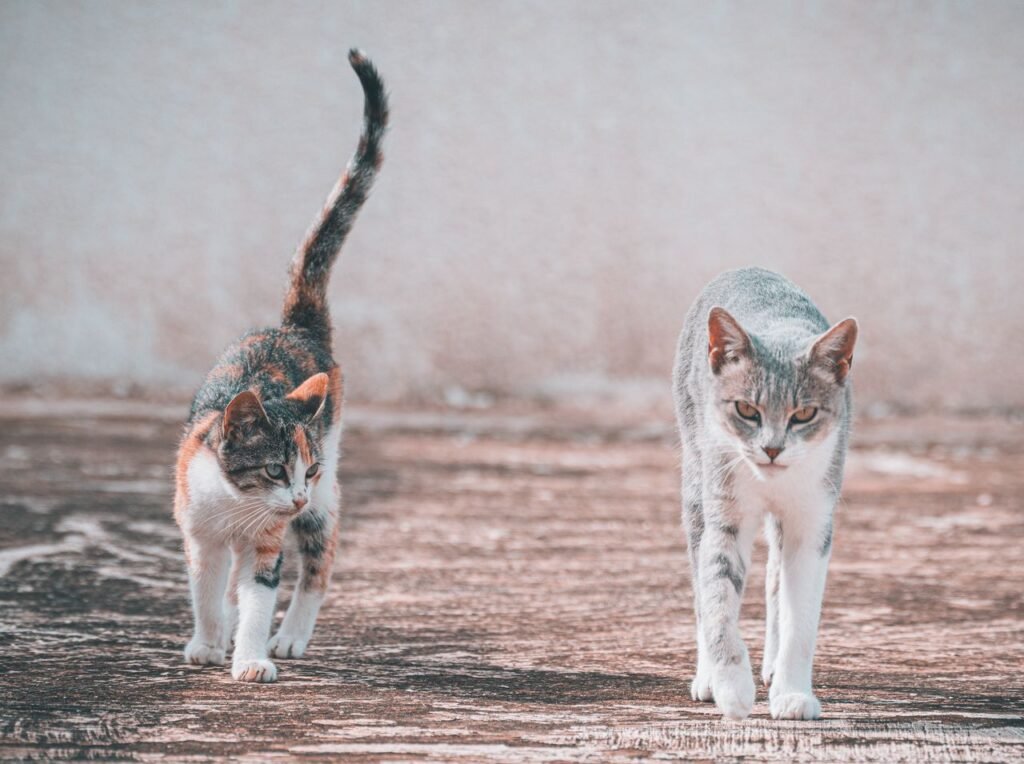
When your cat walks toward you with its tail held high, it is usually a positive sign. A raised tail often means your cat feels comfortable, confident, and happy to interact with you.
Many cats greet people they trust by walking over with their tails standing upright. This is one of the ways cats show that they feel safe around you and are open to social interaction.
If your cat also rubs against your legs, gently brushes you with its tail, or follows you around the house, these behaviors are often signs of affection and trust.
A Question Mark-Shaped Tail: A Friendly Invitation
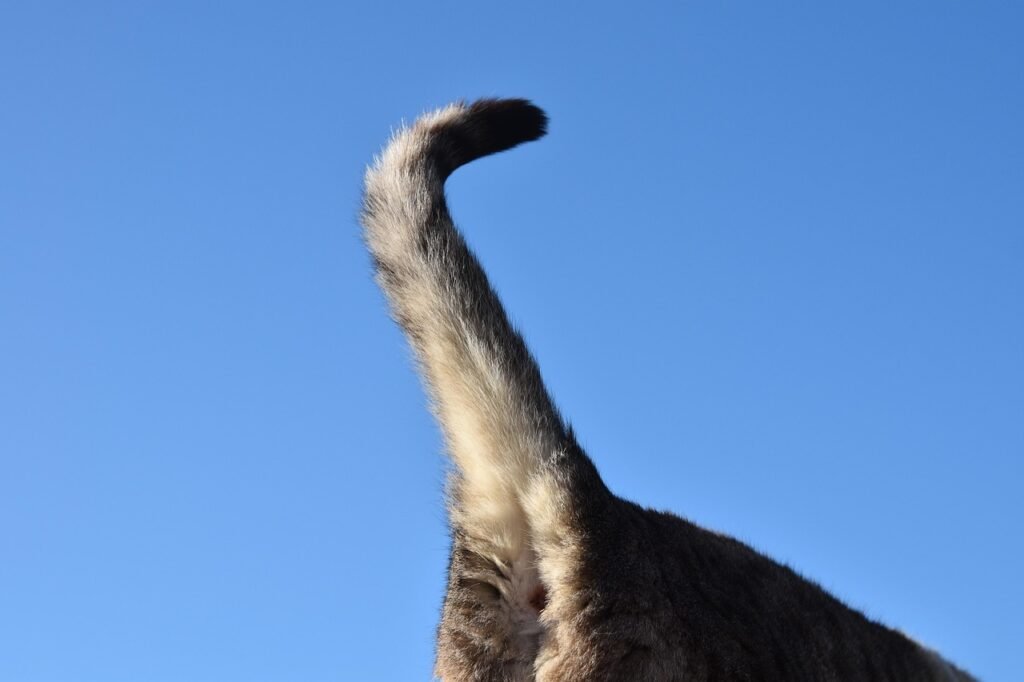
Sometimes, a cat will hold its tail upright with the tip curved forward, creating a shape that looks like a question mark.
This is usually a friendly and curious gesture. Your cat may be feeling relaxed, interested in what you are doing, and ready for some interaction. It might be inviting you to play, asking for attention, or simply saying hello.
If your cat approaches you with this tail position, you can respond by offering gentle pets or engaging in a short play session. However, always pay attention to your cat’s other body language, since some cats prefer shorter interactions than others.
Tail Held Upright With Gentle Movement: Excitement and Playfulness
A cat standing with its tail up and the tip moving gently is often showing excitement or curiosity.
You may notice this behavior when your cat sees a favorite toy, watches something interesting, or gets ready for a play session. It is often a sign that your cat is engaged with its surroundings and interested in what happens next.
However, a cat’s tail should not be viewed alone when interpreting its emotions. Ear position, facial expressions, body posture, and overall behavior can provide important clues about how your cat is feeling.
A Puffed-Up Tail: Fear or Feeling Threatened
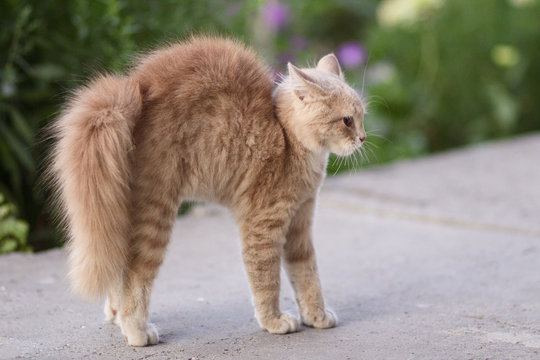
A cat’s tail can suddenly become large and fluffy when it feels frightened or surprised. This is often called a “bottle brush tail.”
This reaction is a natural defense mechanism. By making its body appear larger, a cat is trying to make itself look less vulnerable when facing something it considers threatening.
Cats may puff up their tails because of loud noises, unfamiliar surroundings, new pets, or unexpected situations.
When your cat has a puffed-up tail, it is best to give them some space rather than immediately approaching or trying to pick them up. Allowing your cat time to feel safe again can help them calm down more quickly.
Rapid Tail Swishing: A Sign Your Cat Needs a Break
Unlike dogs, cats do not usually wag their tails to show happiness. In many cases, a rapidly moving tail is actually a sign that your cat is becoming irritated or overstimulated.
If your cat’s tail is quickly moving from side to side or hitting the floor, it may be communicating that it has had enough. This often happens during petting sessions when a cat becomes uncomfortable, especially if it has been touched for too long or in an area it dislikes.
When you notice this warning sign, it is best to pause and give your cat some space. Respecting these signals can help prevent unwanted behaviors such as scratching or avoiding interaction.
Learning to Read Your Cat’s Tail Language
A cat’s tail is like a silent form of communication. It can reveal many emotions, from confidence and affection to fear and irritation.
However, tail movements are only one part of feline body language. To truly understand what your cat is feeling, you should also pay attention to their ears, eyes, facial expressions, posture, and vocalizations.
Every cat has its own personality and communication style. The more time you spend with your cat, the easier it becomes to recognize their unique signals. By learning their body language, you can create a more comfortable and trusting relationship with your feline companion.